Strengthening Climate Resilience
Climate change is already affecting agriculture in Nepal. The project supports farmers, businesses, and local governments in adapting to these changes and building more resilient agricultural systems.
As a key driver of climate action, Small and medium-sized enterprises (SMEs) receive support to adopt climate-smart practices, develop green business models, and manage climate risks in agricultural value chains. Strengthening the environmental performance of businesses also helps them access new markets and financing opportunities, particularly for sustainable and biodiversity-friendly products.
At the local level, municipalities are supported to integrate climate adaptation and mitigation into planning and budgeting processes. Tools such as climate budget tagging help align local economic development priorities with long-term climate resilience.
GRAPE 2 works with farmers, local communities, and civil society organizations to promote sustainable farming practices, resource-efficient technologies, and circular economy solutions. Through collaboration and shared learning, the project strengthens green entrepreneurship, supports local climate governance, and scales innovative solutions that enhance climate resilience and adaptation.
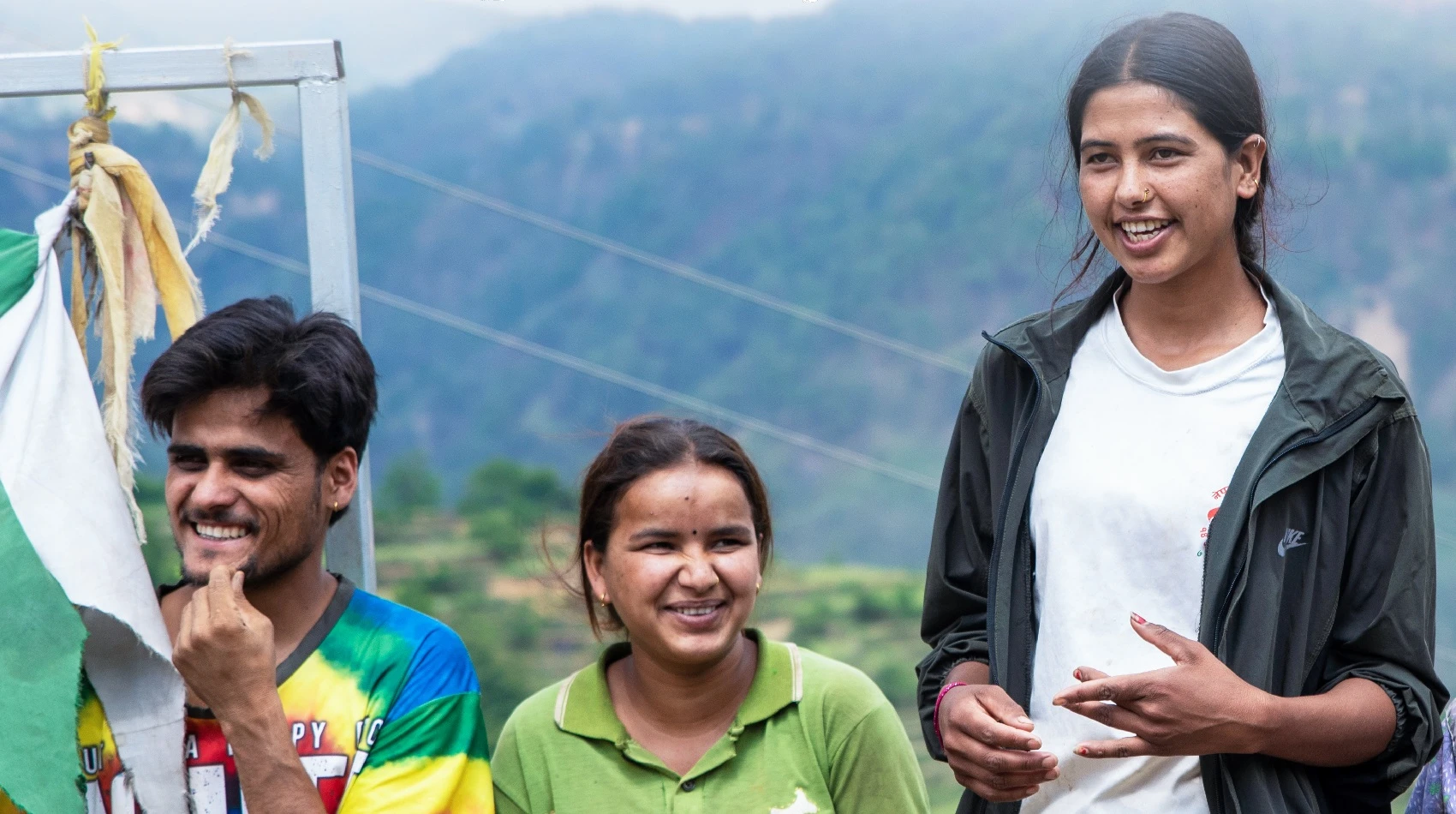
Empowering Women and Youth
Women and young people are central to inclusive economic development. Through the project, women entrepreneurs receive business development support, guidance on accessing financial services, and opportunities to connect with networks that strengthen their skills, confidence, and business growth.
Young innovators are supported through the incubation lab, which helps start-ups develop and launch new business ideas.
Media organisations, civil society groups, and community-based organisations raise awareness of women’s economic contributions and challenge restrictive gender norms. Dialogue platforms, media campaigns, and community events highlight the achievements of women and youth entrepreneurs and encourage public discussion on evolving social roles.
At the institutional level, municipalities are supported to apply gender-responsive planning and budgeting so that women’s priorities are better reflected in local economic development. Through the agri-tech fellowship, young graduates are placed in municipalities to gain work experience, while infusing fresh perspectives in local governance processes.