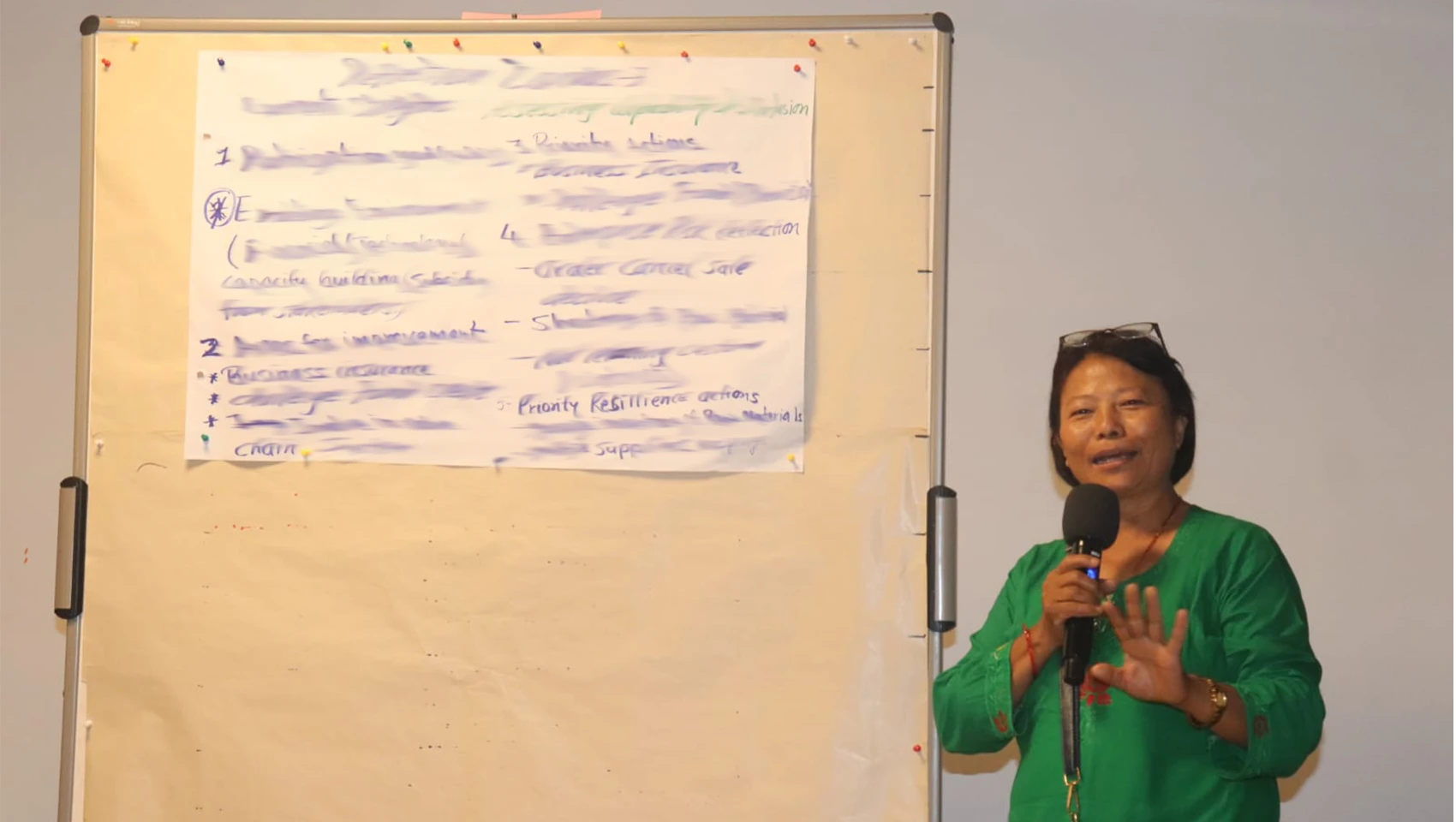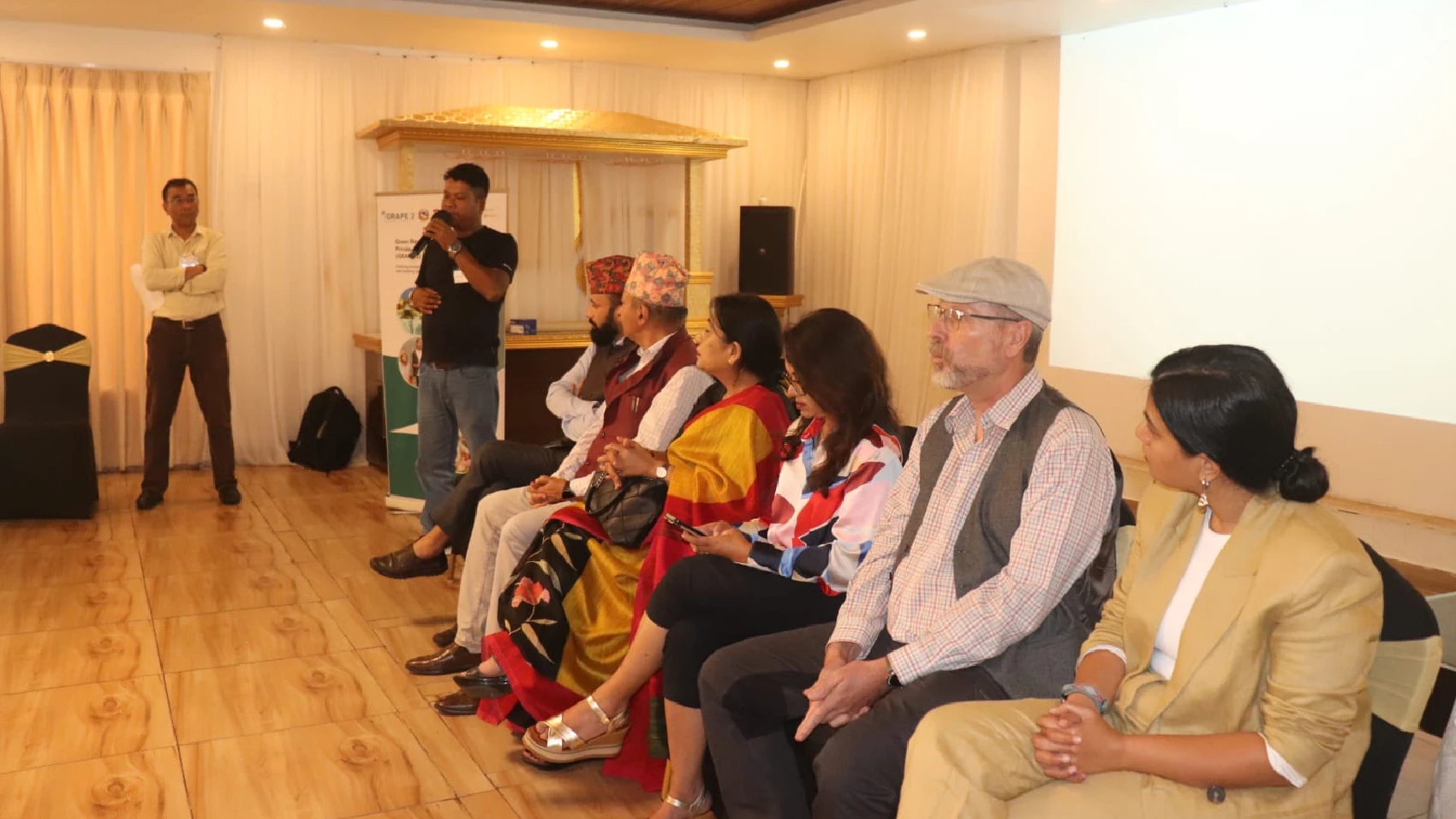
Across Nepal, many small business owners build their businesses with determination but limited access to advice and support. In July 2026, 40 participants from across Nepal gathered in Kathmandu for the first small and medium enterprises (SME) Training of Trainers (ToT), with the aim of bringing practical business guidance closer to local communities.
The two-week training brought together participants from Daayitwa, Duhabi Municipality, Federation of Woman Entrepreneurs' Associations of Nepal (FWEAN), and Nepal Federation of Savings and Credit Cooperative Unions Ltd (NEFSCUN) to become trainers and coaches for small and growing agribusinesses. The training, conducted by GRAPE 2 marked the beginning of a national effort to strengthen Nepal’s business development ecosystem.
Inspired by her mother’s journey
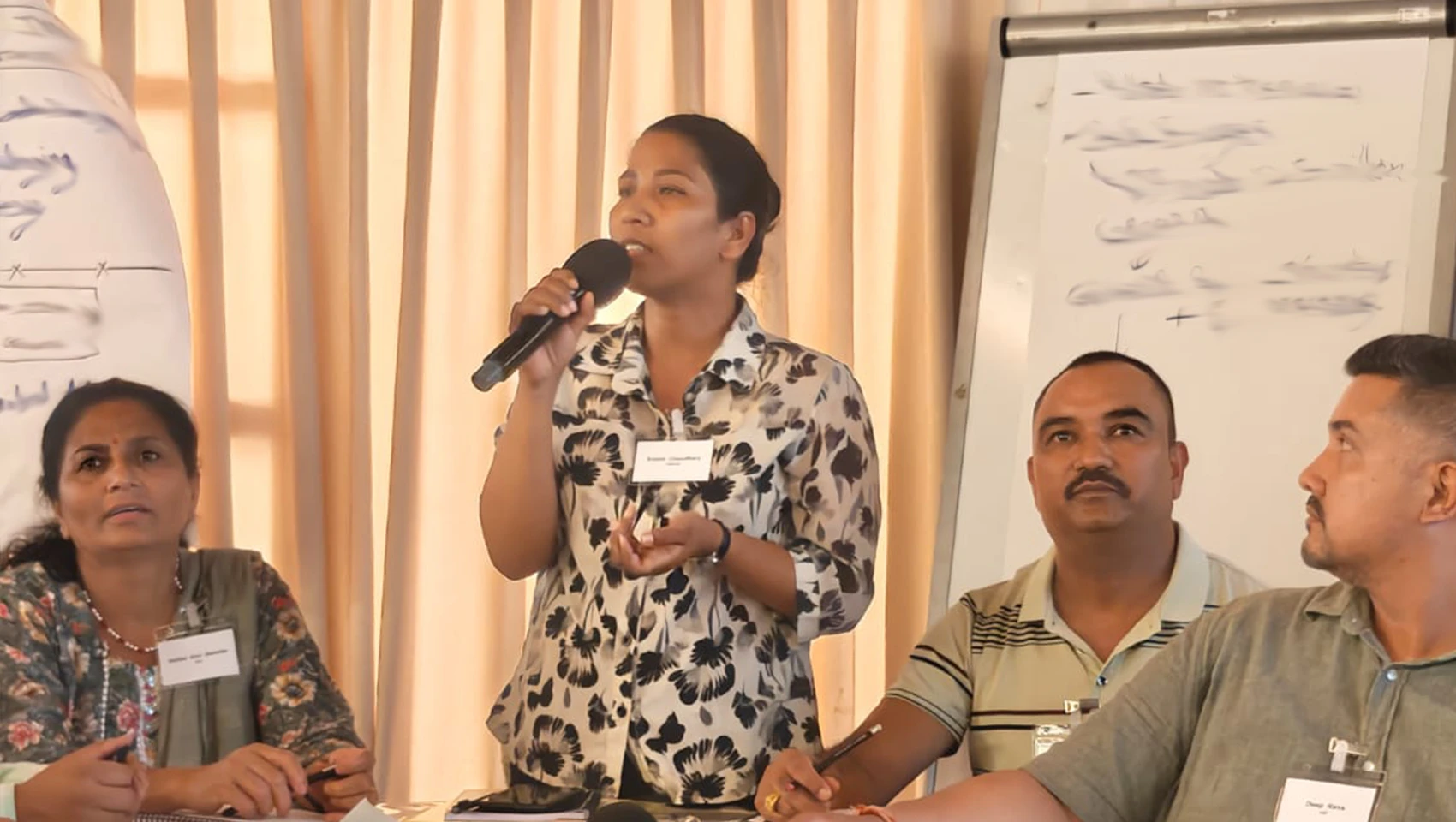
Among the participants in the ToT was Srishti Chaudhary from FWEAN. For her, this mission is deeply personal. Shristi knows what it means to build a business without someone to turn to. Her mother learned through experience and made difficult decisions in her more than three decades of building a cane furniture and mushroom business in far-western Nepal. In this region—far away from the capital city of Kathmandu—business development services are often too hard to find.
“Watching my mother inspired me to pursue a career helping other entrepreneurs. The recent training gave me new tools to pursue my career passionately.”
- Srishti Chaudhary
Instead of simply telling business owners what to do, Srishti learned how to listen, ask the right questions and help them find their own solutions.
She also learned practical ways to help entrepreneurs navigate the realities and challenges of running a business—the kind of support she wishes her mother had received while building hers.
Bringing support close to businesses
For many small businesses outside Nepal's major cities, finding the right support can still be difficult. Business owners may have good ideas and strong products but lack someone nearby who can help them solve problems, plan for growth, or make better business decisions.
The newly certified trainers and coaches will now embark on a journey to help change that.
After the training, Shristi and all other participants will return to their organizations and communities to support more than 135 women and youth-led agricultural enterprises across Nepal. They will help SMEs strengthen their business models and make sure that future entrepreneurs have someone to turn to when they need guidance.
For Srishti, it is also about ensuring that fewer daughters grow up watching their mothers carry the burden of building a business alone.