By Sahara Basnet
Every year on International Women’s Day, we celebrate the achievements of women. We speak about empowerment, opportunity, and equality. But beyond the speeches and hashtags, the true story of women’s economic participation in Nepal is unfolding quietly in workshops, small factories, and village enterprises.
Recent visits to women-led businesses across Nepal revealed stories that go beyond statistics. They show the invisible barriers women face and the remarkable resilience with which they overcome them.
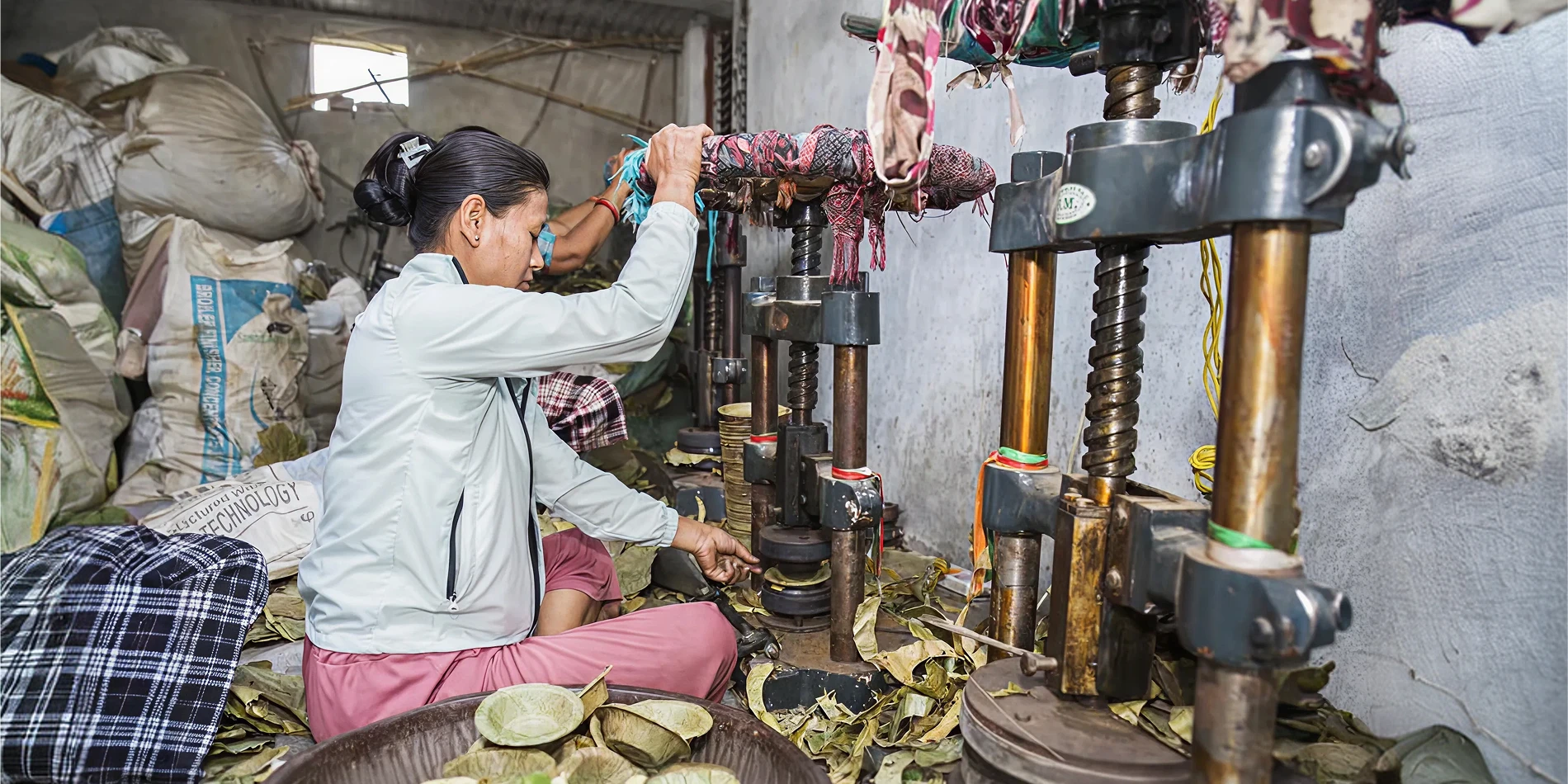
In Surkhet, Laxmi Bhattrai runs a bamboo and cane enterprise producing furniture and decorative items. Her small factory employs seven workers, five of whom are women. Like many businesses in western Nepal, her enterprise operates in a region shaped by male out-migration, where many men leave for foreign employment and women increasingly take on economic roles at home. Yet even in this productive workspace, deeply rooted cultural beliefs can follow women into the workplace. One day, a male worker resigned suddenly after developing a facial rash. He believed the illness had occurred because a menstruating woman had touched bamboo materials in the workshop, which he considered “impure.” According to him, this angered the gods and caused his sickness. The incident may sound unusual, but it reflects how menstrual taboos still influence perceptions of women’s presence in workplaces. Despite women now forming the majority of the workforce in some local industries, cultural norms can continue to undermine their participation.
In another enterprise — a handmade Nepali paper factory — journalist and social activist Jyoti Katwal witnessed a different but equally revealing dynamic. A mother and daughter were responsible for nearly all aspects of production and daily operations in the factory. They managed orders, supervised workers, and ensured quality control. Yet when asked who owned the business, they pointed to the father, who visited only once a week to manage finances.
For them, this was normal. This moment captures a challenge rarely discussed in economic policies: women’s internalized undervaluation of their own work. Across Nepal, women often carry the bulk of labour in family enterprises — from agriculture to handicrafts — yet ownership and recognition frequently remain associated with men.
“The barriers women face are therefore not only structural, but also social and psychological.”
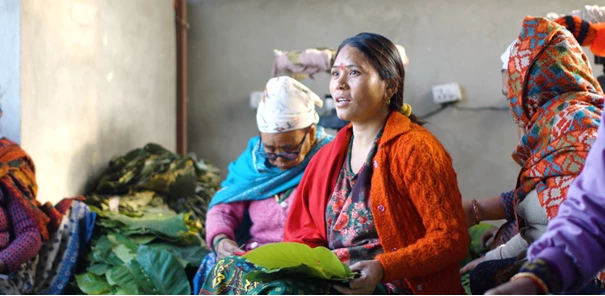
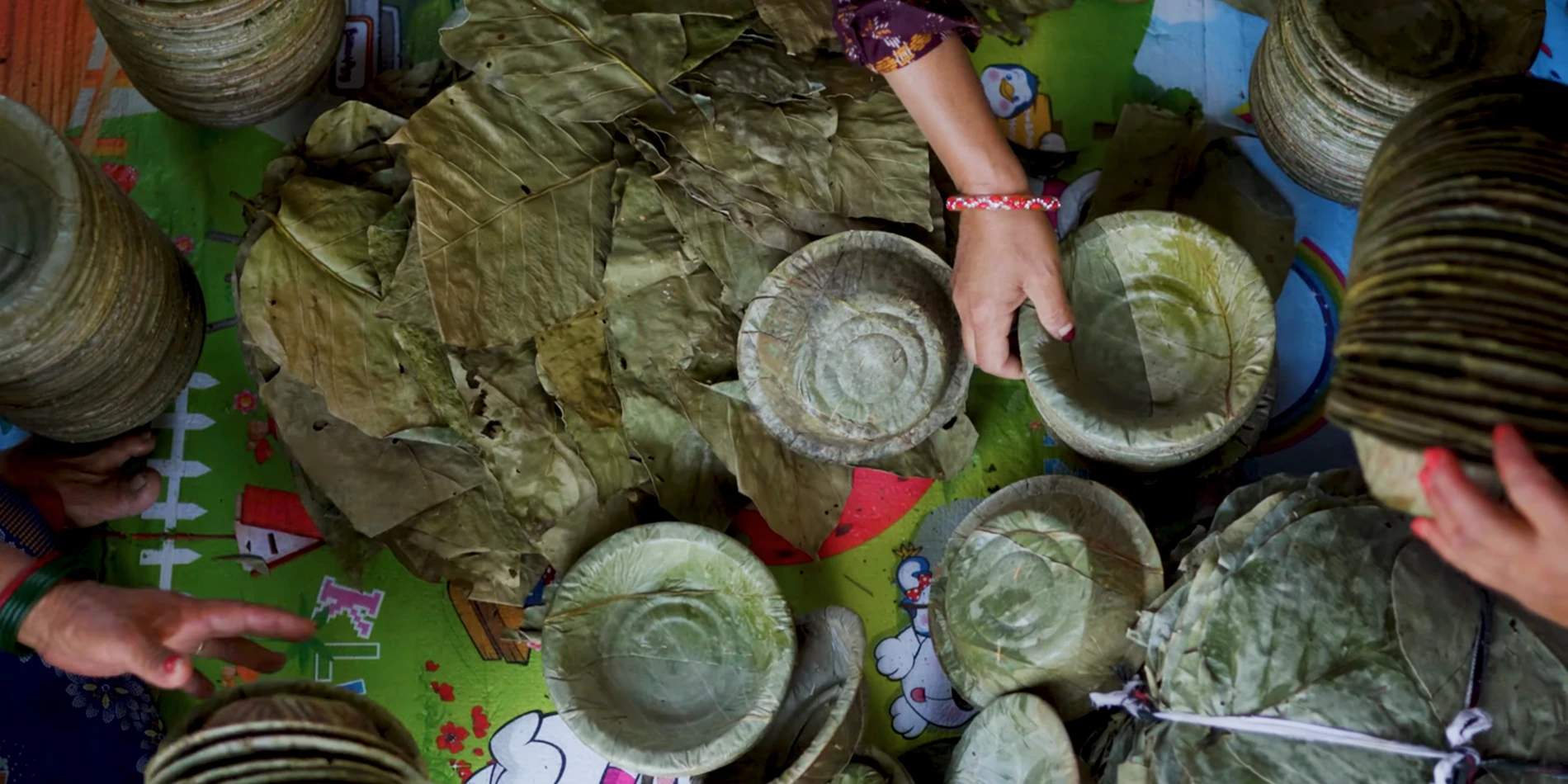
Yet alongside these challenges, there are also stories of remarkable transformation. In another part of the country, Bhawana Magar began producing traditional leaf plates known as duna tapari. At the beginning, her decision was met with resistance from relatives and neighbours. Some criticized her for wasting time and misleading other women. But she persisted. Bhawana learned production skills through government trainings and initially made the plates herself. Gradually, she began teaching others and expanded production. She later promoted her products on social media, eventually connecting with a distributor who helped open markets in Europe, India, and Japan. Today, her enterprise employs around 500 workers, most of them women. Men and even persons with disabilities are involved in collecting and supplying leaves for production.
Perhaps the most remarkable transformation, however, is social. The same community members who once criticized her now seek employment in her enterprise or follow her example by starting their own businesses. Her story demonstrates something development practitioners often observe women entrepreneurs do more than generate income, they reshape social norms. Yet these successes often happen despite systemic challenges rather than because of supportive systems.
Many women entrepreneurs still face limited access to finance, particularly collateral-free loans that allow businesses to expand. Market linkages remain weak, forcing many enterprises to rely on local sales rather than broader distribution networks. Policy constraints can also create barriers. For example, restrictions on harvesting certain timber species mean some businesses must import raw materials, increasing costs for local producers.
At the same time, labour shortages caused by migration create both opportunities and pressures for women-led enterprises. These structural barriers highlight an important reality: the entrepreneurial potential of Nepali women is already visible across the country. What remains missing is an enabling ecosystem that allows this potential to grow.
The economic case for women’s participation is also clear. Studies suggest that closing gender gaps in employment could increase Nepal’s GDP significantly over the long term. Evidence also shows that when women control income, households invest more in education, nutrition, and health. In other words, empowering women economically benefits not only individuals but entire communities. But perhaps the most compelling argument comes from the everyday transformations happening in villages and small towns.